Hebei Runhuabang New Material Technology Co., Ltd. has added maifan stone — also traded internationally as maifanite, and often called medical stone or medicine stone — to its export range, alongside its established mineral products. The line covers washed granules and filter media, spheres, whole lumps for drinking vessels and cookware, and milled powder, supplied in bulk, in retail packs, or under a buyer's own label. The addition follows growing enquiries from water-treatment distributors, agricultural suppliers and consumer-goods brands who buy maifanite and want a partner able to grade, wash, pack, document and ship it reliably. Our core business remains kaolin, diatomite and bentonite; this is what the material is, how we handle it, and what buyers should ask before ordering.
What Maifan Stone Actually Is
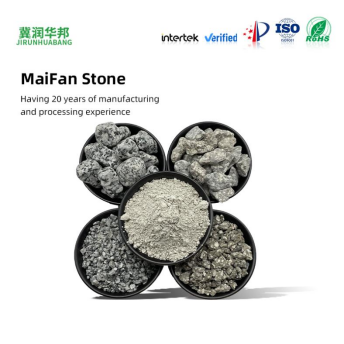
Maifan stone is a naturally occurring aluminosilicate rock found in East Asia, and it is better understood as a family of rock than as a single specification. Its main chemical components are silica and alumina, with calcium oxide and magnesium oxide, and smaller amounts of iron, potassium, sodium and titanium oxides. Mineralogically it is a mixture rather than one pure mineral, typically containing feldspar and dark silicate minerals together with mica.
That composition produces the two properties the trade buys it for. The rock is porous, giving it a large surface area, so it physically adsorbs suspended particles and some organic material from water. Its surface also carries active groups that allow ion exchange, which is how maifanite takes up heavy-metal cations such as lead, cadmium and mercury from the water passing through it. A third property is the one most often mentioned by consumers: the material slowly releases mineral elements into water, which is why it appears in mineral-water filters, drinking vessels and cookware.
What We Ship, and in Which Sizes
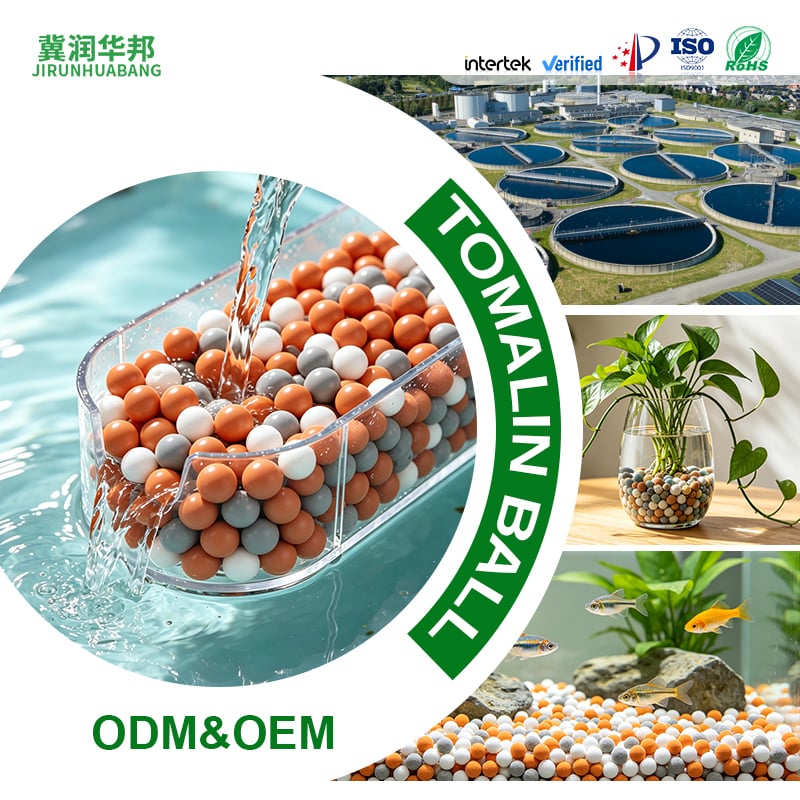
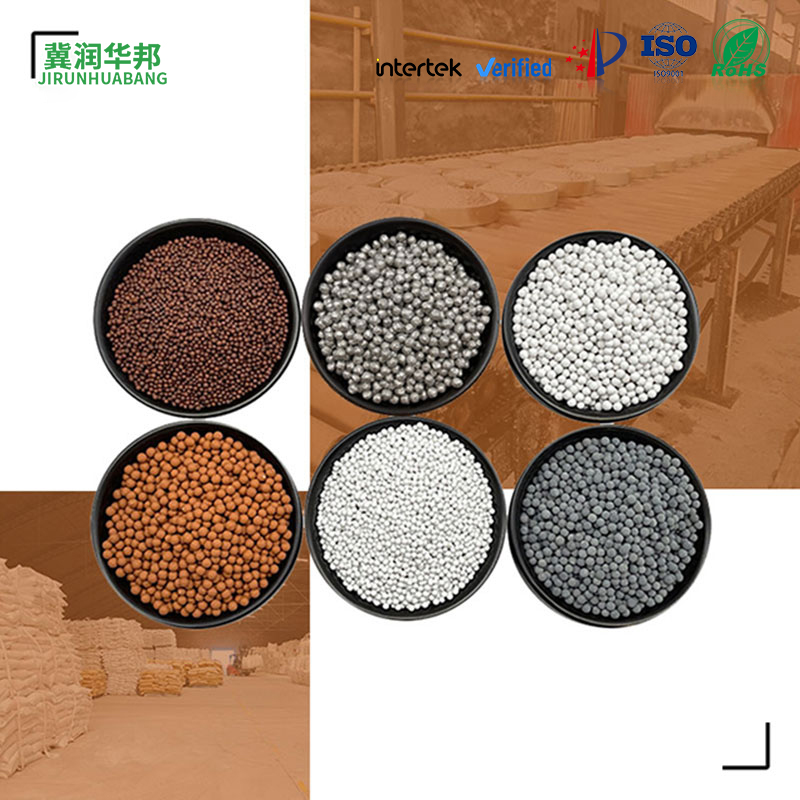
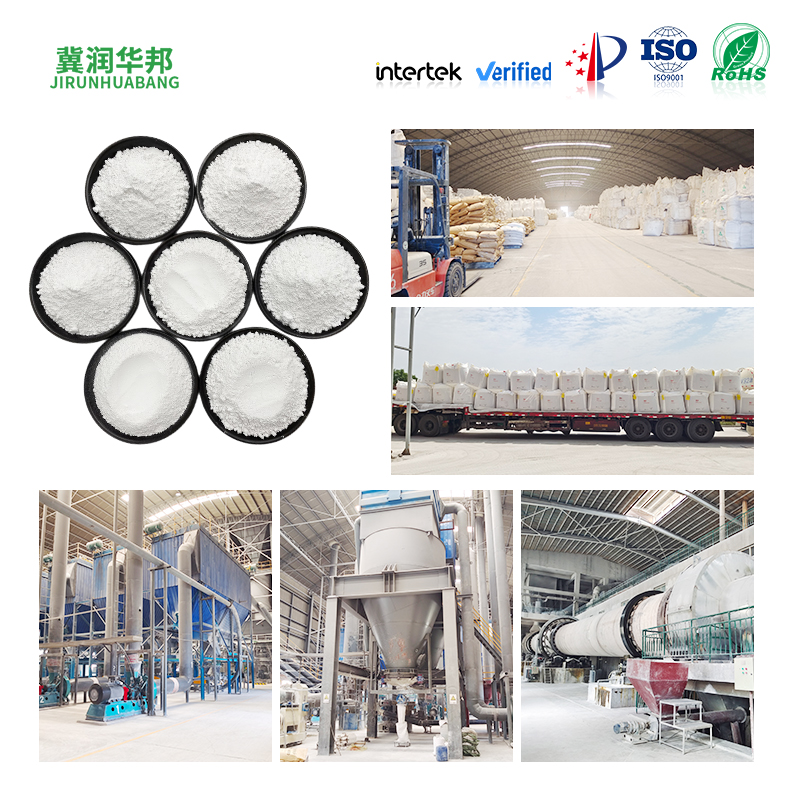
The range is organised by application rather than by appearance. Filter media and water-treatment granules are graded into the fractions the trade generally works with — approximately 1–2 mm, 2–4 mm, 4–6 mm and 6–8 mm — with the tolerance agreed per order, because a filter bed performs differently when the size spread is wide. Spheres are available for applications that need a more uniform bed, and these are sorted to tighter limits. Coarser rock is supplied as lumps for kettles, water jugs, shower heads, bonsai and aquarium use, and as whole pieces for cookware. Milled powder serves ceramic, cosmetic and industrial applications.
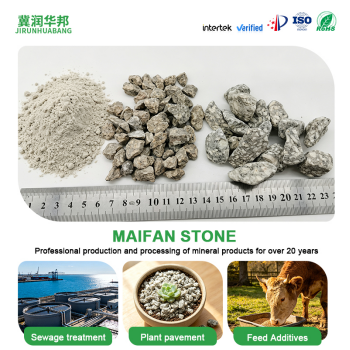
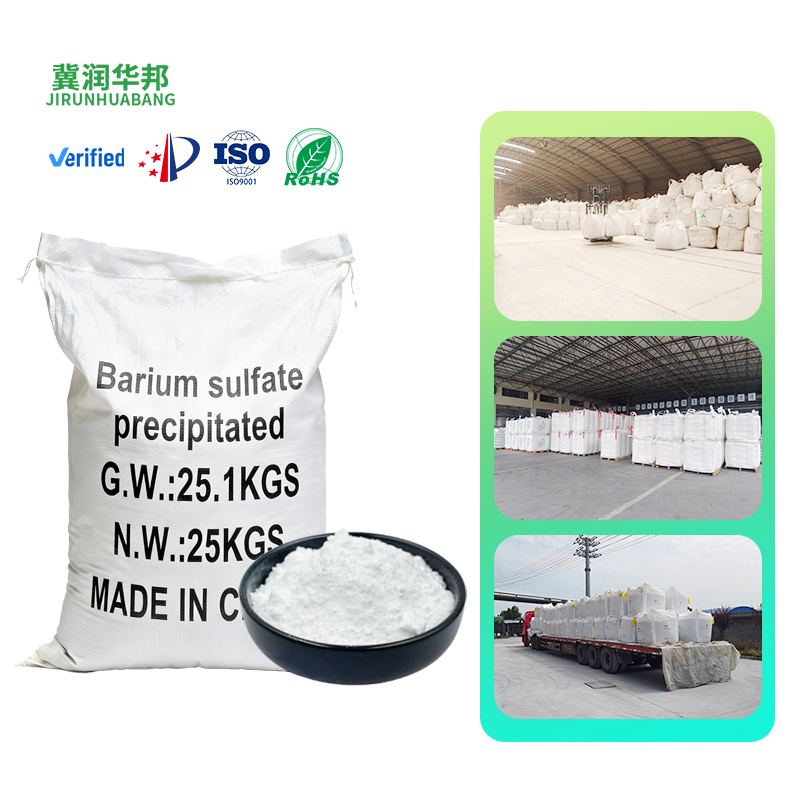
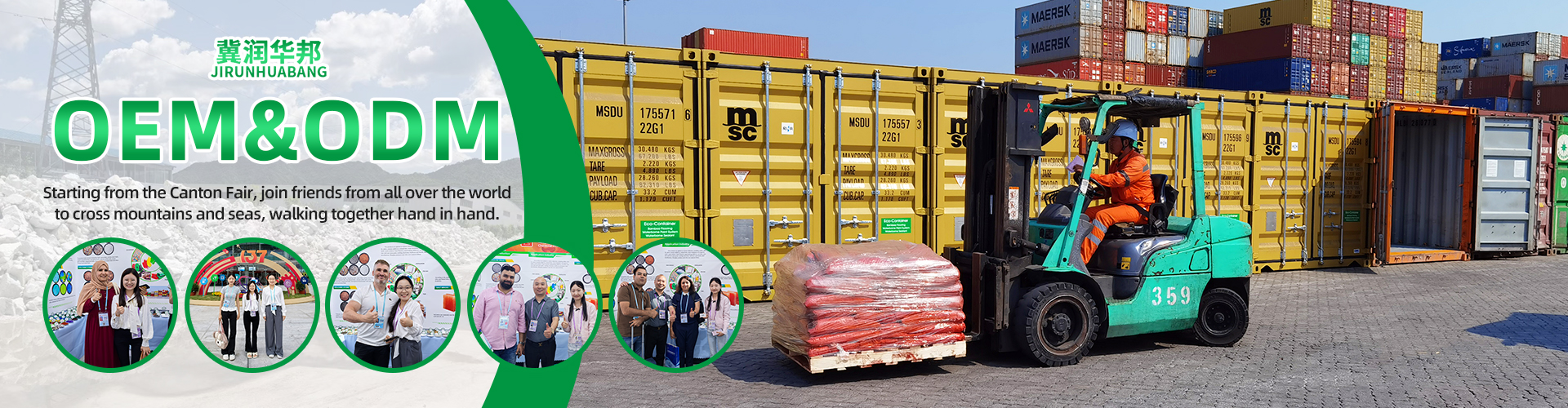
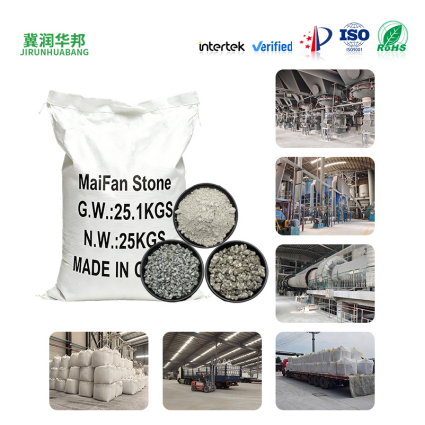
Packing follows the destination and the end use. Bulk material travels in 25 kg bags or jumbo bags; retail formats can be filled under a buyer's brand; and washed grades are packed separately from unwashed ones so that a buyer who has specified a low dust content does not receive material that was never washed.
What It Contains, and What It Releases
Testing maifanite properly means answering two different questions, and the second is the one that matters most for water contact. The first is composition: what the rock consists of, which determines its behaviour in a filter bed. The second is release: what the material gives up to the water it touches. A medium that is bought because it adsorbs heavy metals must not itself contribute them, and the only way to establish that is testing the water after contact rather than trusting the chemistry of the rock. Each batch we ship is documented so that a container can be traced back to the material it was packed from.
Why a Mineral Company Added Maifan Stone
The reason is unglamorous and practical: the work is the same as the work we already do. Sourcing rock from a deposit whose quality varies by location, sizing it to a narrow fraction, washing and drying it, keeping food-contact and non-food grades apart, documenting a batch, and matching a container load to a vessel schedule are the daily habits of a mineral exporter. Maifanite simply adds a new deposit to a familiar process.
It also fits the customers we already serve. Buyers of filtration minerals, of agricultural and horticultural inputs, and of mineral powders for ceramics and cosmetics now have one more item they can consolidate with a supplier whose packing and paperwork they have already audited.
What Buyers Ask First
Three questions arrive in nearly every enquiry. The first is about the size fraction and its tolerance, which should always be agreed in writing before production, because a filter bed that is quoted as 2–4 mm and delivered with a wide spread will not behave as expected. The second concerns condition: whether the material is washed or unwashed, and what dust content the buyer will accept, since loose fines are the most common source of complaint in this trade. The third is about samples, which can be drawn from the exact grade that will be shipped rather than from a display piece.
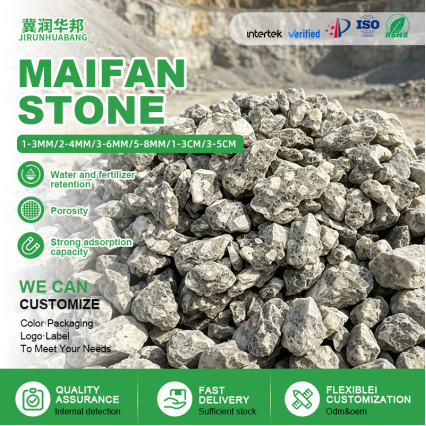
If you are sourcing maifan stone, the useful things to send are the application, the fraction and tolerance you need, the washing and dust requirement, the packing format and the destination port. Our export team will reply within 24 hours with a quotation, a technical datasheet and a sample arrangement — the same standard we apply to every mineral we ship.
 Hot News
2026-03-17
2025-12-08
2025-12-06
2025-12-02

Runhuabang supplies non-metallic minerals, including iron oxide pigments, silica powder, kaolin, diatomite and zeolite and so on, with custom solutions worldwide.
H2-811, Poly International Building, Shifang Road, Chang'an District, Shijiazhuang, Hebei Province
Copyright © Hebei Runhuabang New Material Technology Co., Ltd All Rights Reserved Privacy Policy
 EN
EN