 EN
EN

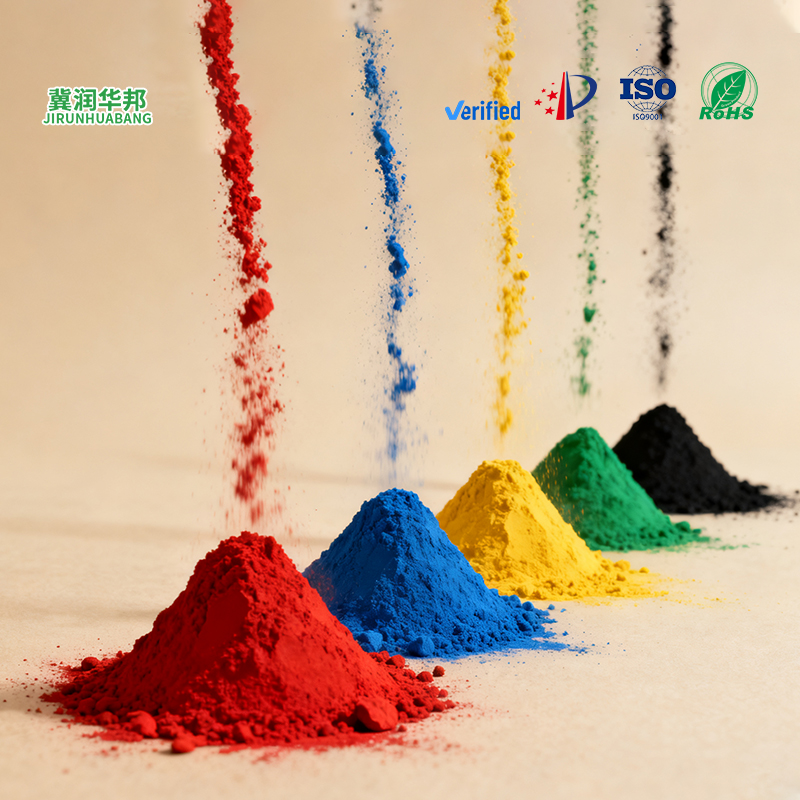
သံအောက်ဆိုဒ် အရောင်တင်ပစ္စည်းများ သံအုပ်သော မီနာရယ် အရောင်ခြယ်မှုများသည် စိတ်ချရမှုအဆင့်မြင့်ပြီး ပတ်ဝန်းကျင်အတွက် အန္တရာယ်မရှိသော အင်ေဂျီနီယာ အရောင်ခြယ်မှုများဖြစ်ပြီး ရောဘာလုပ်ငန်းတွင် အသုံးများပါသည်။ အပူခံနိုင်ရည်ကောင်းမှု၊ အောက်ဆီဒေးရှင်းခံနိုင်ရည်ကောင်းမှု၊ အရောင်ခြယ်မှုများ တစ်သောင်းတစ်ချောင်း ညီညာစွာ ဖြန့်ဖြူးနိုင်မှုနှင့် အရောင်ခြယ်မှုအားကောင်းမှုတို့ကြောင့် သံအုပ်သော မီနာရယ် အရောင်ခြယ်မှုများသည် သဘောတော်မှုအားလုံးနှင့် အထူးသဖြင့် သဘောတော်မှု၊ စင်သော ရောဘာ၊ စီလီကွန် ရောဘာနှင့် ပုန်းလောင်းရောဘာတို့နှင့် အကောင်းဆုံး သဘောတော်မှုရှိပါသည်။ ပုံမှန်အောဂဲနစ် အရောင်ခြယ်မှုများသည် အရောင်မှိန်သွားခြင်း၊ အရောင်စိမ်းထွက်ခြင်း သို့မဟုတ် ရောဘာ၏ အသုံးဝေးမှုကို ပိုမိုဆိုးရွမ်းစေခြင်းတို့ကြောင့် အသုံးများသော်လည်း သံအုပ်သော မီနာရယ် အရောင်ခြယ်မှုများသည် ရုပ်ပိုင်းဆိုင်ရာနှင့် ဓာတုပိုင်းဆိုင်ရာ ဂုဏ်ရည်များ စိတ်ချရမှုရှိပါသည်။ ထိုအရောင်ခြယ်မှုများသည် ရောဘာထုတ်ကုန်များကို အလှပါစွာ အရောင်ခြယ်ပေးနိုင်သည့်အပေါ်တွင် ရောဘာပစ္စည်းများ၏ ကြာရှည်ခံမှုနှင့် ဖွဲ့စည်းပုံ စိတ်ချရမှုကိုလည်း မြင့်တင်ပေးပါသည်။ ဤဆောင်းပိုဒ်တွင် ရောဘာထုတ်လုပ်မှုတွင် သံအုပ်သော မီနာရယ် အရောင်ခြယ်မှုများ၏ အဓိက လုပ်ဆောင်ချက်များနှင့် လက်တွေ့အသုံးဝေးမှုများကို ရှင်းလင်းပြီး နားလည်လွယ်သော ဘာသာစကားဖြင့် ရှင်းပေးထားပါသည်။
သံအုပ်သော အရောင်ခြယ်မှုများ၏ အခြေခံဆုံး လုပ်ဆောင်ချက်မှုမှာ ရောဘာထုတ်ကုန်များအတွက် ညီညာပြီး စိတ်ချရသော အရောင်ခြယ်မှုဖြစ်ပါသည် . ရာဘာရောစပ်ခြင်းနှင့် ဗပ်ကူလ်နိုင်ဇေးရှင်း ထုတ်လုပ်မှုတွင် ပုံမှန်အရောင်ပိုးမွှားများသည် အရောင်မညီမျှခြင်း၊ အရောင်စက်များနှင့် မျက်နှာပြင်ပေါ် အရောင်မျောနေခြင်းများ ဖြစ်စေတတ်ပါသည်။ ထုတ်လုပ်မှုအမှုန်အမြောက်တွင်လည်း အရောင်ပြောင်းလဲမှုများ ဖြစ်လွယ်ပါသည်။ သံဓာတ်အောက်ဆိုဒ် အရောင်ပိုးမွှားမှုန့်သည် အလွန်သေးငယ်သော အမှုန်များနှင့် ကြောင်းကျွံမှု ထူးချွန်ပါသည်။ ၎င်းသည် ရာဘာကုန်ကြမ်း၊ ရာဘာဆီနှင့် အကူအညီပစ္စည်းများနှင့် ရောစပ်စဉ် တစ်သမတ်တည်း ရောနှောနိုင်ပါသည်။ ၎င်းသည် မျက်နှာပြင်ပေါ်တွင် ကပ်နေခြင်းမဟုတ်ဘဲ ရာဘာဖွဲ့စည်းပုံအတွင်းသို့ အပြည့်အဝ ပေါင်းစပ်သွားပါသည်။ အနီ၊ အဝါ၊ အညိုနှင့် အမည်းတို့ကဲ့သို့ သန့်စင်ပြီး တစ်သမတ်တည်းရှိသော အရောင်များကို ပေးစွမ်းနိုင်ပါသည်။ အရောင်ကွက်များနှင့် ထုတ်လုပ်မှုအမှုန်အလိုက် အရောင်ကွာခြားမှုများကဲ့သို့ ပုံမှန်ပြဿနာများကို ထိရောက်စွာ ဖြေရှင်းပေးကာ ရာဘာထုတ်ကုန်များသည် မျက်နှာပြင်အရောင် ချောမွေ့ပြီး တစ်သမတ်တည်းရှိသော ပုံသဏ္ဍာန်ရှိစေပါသည်။
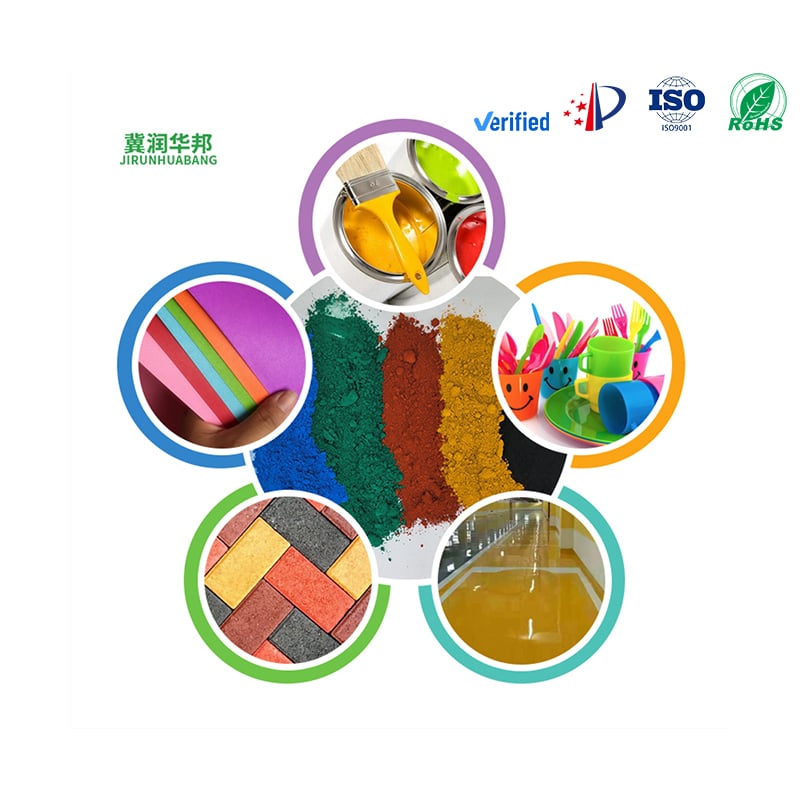
သံဓာတ်အောက်ဆိုဒ် မှုန့်များသည် ရာဘာအတွက် အရောင်မှိန်ခြင်းနှင့် အိုမင်းရင့်ရော်မှုကို ခံနိုင်ရည်ရှိမှု ထူးချွန်ပါသည် . ရော rubber ပစ္စည်းအများစုကို ရှုပ်ထွေးသော ပတ်ဝန်းကျင်များတွင် အသုံးပြုကြပါသည်။ ထိုပစ္စည်းများသည် ရှည်လျားစွာကြာမှ လေထုထဲတွင် ထောက်ထားခြင်း၊ အနုတ်ရောင်ခြင်း၊ အပူခါနီးသော အပူခါနီးမှုများနှင့် အကြိမ်ပေါင်းများစွာ ဆွဲဆောင်ခြင်းနှင့် ပွတ်တိုက်မှုများကို ရင်ဆိုင်ရပါသည်။ ရှေးရိုးစွဲ အော်ဂေးနစ်ရောင်စင်များသည် အလွန်မြန်စွာ ရောင်စင်ပျောက်ခြင်း၊ အဝါရောင်ဖြစ်ခြင်းနှင့် တောက်ပမှု ဆုံးရှုံးခြင်းတို့ကို ဖြစ်ပေါ်စေပါသည်။ ထို့အပ além ရောဘာပစ္စည်းများ၏ အသက်တမ်းကုန်ခြင်းနှင့် ကြမ်းတမ်းခြင်းကို အရှိန်မြင့်ပေးနိုင်ပါသည်။ သံအိုက်ဆိုဒ် ရောင်စင်များသည် အလွန်တည်ငြိမ်သော မော်လီကျူလာဖွဲ့စည်းပုံနှင့် အလွန်ကောင်းမွန်သော UV ခုခံမှုရှိပါသည်။ ထိုရောင်စင်များသည် အပြင်ဘက်တွင် အလေးအမျက်ဖြင့် အလင်းရောင်ဖြင့် ဖျက်ဆီးခြင်းနှင့် လေထုထဲရှိ အောက်ဆီဂျင်ဖြင့် အိုက်ဆိုဒိုက်ဖြစ်ခြင်းကို ရှည်လျားစွာကြာမှ ခုခံနိုင်ပါသည်။ အပူမြင့်တွင် ဗာလ်ကနိုင်ဇေးရှင်းလုပ်ပြီးနောက် ရောင်စင်သည် ရောဘာပစ္စည်းအတွင်းတွင် အလွန်တည်ငြိမ်စွာ ကြောင်းကြောင်းမှ သိမ်းဆောင်ထားနိုင်ပါသည်။ ထိုကြောင့် နေ့စဉ်သုံးပစ္စည်းများ၊ စက်မှုလုပ်ငန်းအတွက် ပစ္စည်းများနှင့် အပြင်ဘက်တွင် အသုံးပြုသော အဆောက်အအုံများတွင် အသုံးပြုသော ရောဘာပစ္စည်းများ၏ ပုံပန်းသွင်ပဲမှုကို အလွန်ကောင်းမွန်စွာ ထိန်းသောင်းပေးနိုင်ပါသည်။
ထိုသို့သော ရောဘာပစ္စည်းများသည် အထိရောက်ဆုံးဖြစ်ပါသည်။ ရောဘာပစ္စည်းများ၏ ရုပ်ပိုင်းဆိုင်ရာ ခံနိုင်ရည်ကို အားကောင်းစေပါသည်။ . အသားအရောင်အပြင် သံဓာတ်အောက်ဆိုက် အရောင်တွေဟာ ရာဘာအတွက် အရည်အသွေးမြင့် အလုပ်လုပ်တဲ့ ဖြည့်စရာအဖြစ် လုပ်ဆောင်ပါတယ်။ ရော်ဘာရဲ့ အတွင်းပိုင်း တည်ဆောက်မှု အတွင်းက အပေါက်လေးတွေကို အမျှင်သန့်တဲ့ သတ္တု အမှုန်တွေက ဖြည့်ပေးပြီး ရော်ဘာပစ္စည်းကို ပိုသိပ်သည်း၊ ပိုသည်းသည်းစေပါတယ်။ ဒီအကောင်းဆုံးပြုပြင်မှုက ကုန်ထုတ် ရာဘာထုတ်ကုန်တွေရဲ့ ဆွဲဆန့်မှုအား၊ ဝတ်ဆင်မှု ခံနိုင်ရည်နဲ့ မျက်ရည်ဆန့်ကျင်မှုကို သိသိသာသာ တိုးတက်စေပါတယ်။ ၎င်းသည် ရာဘာမျက်နှာပြင်များကို အထပ်ထပ်ဆန့်ထုတ်ခြင်း၊ ခေါက်ခြင်း၊ ရုန်းကန်ခြင်းများကြောင့် လွယ်ကူစွာခြစ်ခြင်း၊ ဆုတ်ယုတ်မှုကြောင့် ပျက်စီးခြင်းနှင့် အက်ကြောင်းများ ဖြစ်ပေါ်ခြင်းကို တားဆီးပေးသည်။ အဝတ်ဆင်နိုင်သော ရာဘာထုတ်ကုန်များဖြစ်သော ရာဘာခင်း၊ ရာဘာပိုက်၊ ပိတ်ပိတ်ပိတ်ပိတ်ပိတ်ပိတ်များနှင့် ရာဘာအပိုပစ္စည်းများအတွက် ဤစွမ်းဆောင်ရည်တိုးမြှင့်မှုသည် သက်တမ်းကို သိသိသာသာ တိုးမြှင့်ပေးသည်။
သံဓာတ်အောက်ဆိုက် အရောင်ခြယ်ပစ္စည်းတွေဟာ ရာဘာကို vulcanizing လုပ်ခြင်းနှင့် အပူချိန်မြင့် ထုတ်လုပ်ခြင်း . ရုပ်ပိုင်းဆိုင်ရာ ထုတ်လုပ်မှုအတွက် အပူချိန်မြင့်မြင့်ဖြင့် ရောစပ်ခြင်းနှင့် ကြေးနီဖော်မော်လင်းပုံစံဖော်ခြင်းတို့ လိုအပ်ပါသည်။ အရောင်အများစုသည် အပူချိန်မြင့်မြင့်တွင် ပိုမိုပျက်စီးခြင်း၊ အရောင်ပေါ်တွင် ပြောင်းလဲမှုဖြစ်ခြင်း သို့မဟုတ် အရောင်ပေါ်မှ ပေါ်လွင်ခြင်းတို့ ဖြစ်ပါသည်။ ထို့ကြောင့် အရောင်ပေါ်တွင် ပြဿနာများ ဖြစ်ပါသည်။ သို့သော် သံအိုက်ဆိုဒ် အရောင်များသည် အပူချိန်မြင့်မြင့်တွင် အလွန်ကောင်းမွန်သော ခံနိုင်ရည်ရှိပါသည်။ ရုပ်ပိုင်းဆိုင်ရာ အပူချိန်မြင့်မြင့်ဖော်မော်လင်းပုံစံဖော်ခြင်း လုပ်ငန်းစဉ်တစ်လုံးလုံးတွင် အရောင်ပေါ်တွင် ပြောင်းလဲမှုမရှိဘဲ စွမ်းဆောင်ရည် မှုန်ညြောင်မှုမရှိပါသည်။ ကြေးနီဖော်မော်လင်းပုံစံဖော်ခြင်း လုပ်ငန်းစဉ်တွင် အရောင်များသည် တည်ငြိမ်မှုရှိပါသည်။ ထို့ကြောင့် ဖော်မော်လင်းပုံစံဖော်ခြင်းမှ မှုန်ညြောင်မှုမရှိဘဲ အရောင်သည် တူညီစေပါသည်။ အရောင်များသည် ကြေးနီဖော်မော်လင်းပုံစံဖော်ခြင်း အမြန်နှုန်း၊ မာကြောမှုနှင့် ပေါ့ပါးမှုတို့ကို မထိခိုက်စေဘဲ ရုပ်ပိုင်းဆိုင်ရာ စက်ရုံများ၏ စံနှုန်းထားသော အများပြားသော ထုတ်လုပ်မှုလုပ်ငန်းစဉ်များကို အပ်နှင်းနိုင်ပါသည်။
ဤအရောင်များသည် တည်ငြိမ်သော လုပ်ငန်းစဉ် စွမ်းဆောင်ရည်များနှင့် အရည်အသွေးပေါ်တွင် အကျိုးသက်ရောက်မှုမရှိပါသည် . သံဓာတ်အောက်ဆိုက်ဟာ တည်ငြိမ်တဲ့ ဓာတုဗေဒ ဂုဏ်သတ္တိရှိတဲ့ သတ္တိမဲ့ သတ္တုပစ္စည်းပါ။ ၎င်းဟာ ရာဘာ ပိုလီမာတွေ၊ ဗူလ်ကန်ရေးပစ္စည်းတွေနဲ့ အခြား ရာဘာ အထောက်အပံ့ပစ္စည်းတွေနဲ့ ဓာတုဓာတ်ပြုမှု မရှိပါဘူး။ ၎င်းသည် ရာဘာပျက်စီးခြင်း၊ မာလာခြင်း၊ ပျော့လာခြင်း သို့မဟုတ် စုပ်ပြာထွက်ခြင်း ပြဿနာများကို မဖြစ်စေပါ။ ၎င်းသည် အရောင်သွေးထွက်ခြင်းနှင့် ရွှေ့ပြောင်းခြင်းကိုလည်း ရှောင်ရှားပေးသည်၊ ဆိုလိုသည်မှာ အရောင်သည် အသုံးပြုစဉ် အခြားထိတွေ့မှု မျက်နှာပြင်များကို လွှဲပြောင်းခြင်း သို့မဟုတ် အညစ်အကြေးမဖြစ်စေပါ။ ဤအချက်သည် အိမ်သုံးဂွမ်းထုတ်ကုန်များ၊ ကားဂွမ်းအစိတ်အပိုင်းများနှင့် အီလက်ထရောနစ်ပိတ်စက်ဂွမ်းအစိတ်အပိုင်းများကဲ့သို့ သန့်ရှင်းသော မျက်နှာပြင်များနှင့် တည်ငြိမ်သော အရောင်ခံနိုင်မှုလိုအပ်သော ဂွမ်းထုတ်ကုန်များအတွက် အလွန်အရေးကြီးသည်။
သံဓာတ်ငွေ့အော်ကိုက်ဒစ် အရောင်ခြယ်ပစ္စည်းတွေမှာ အံ့ဖွယ် ပတ်ဝန်းကျင် ဘေးကင်းလုံခြုံရေးနဲ့ ကုန်ကျစရိတ်သက်သာမှု အကျိုးကျေးဇူးများ အဆိပ်အတောက်မရှိ၊ အနံ့မရှိသည့် အိုင်နော်ဂဲနစ် အရောင်ခြယ်မှုများဖြစ်ပြီး လူသုံးနှင့် စက်မှုလုပ်ငန်းအတွက် ရော rubber ထုတ်ကုန်များအတွက် ကမ္ဘာလုံးဆိုင်ရာ လုံခြုံရေးစံနှုန်းများကို ဖ удောလေ့ပြုနေပါသည်။ ရော rubber ထုတ်လုပ်မှုအတွင်းနှင့် ရေရှည်အသုံးပြုမှုအတွင်းတွင် အန္တရာယ်ရှိသည့် ပစ္စည်းများ ထုတ်လုပ်မှုမရှိပါ။ ညစ်ညမ်းမှုမရှိခြင်းနှင့် ထူးခြားသည့် အနံ့မရှိခြင်းတို့ကို ပေးစေပါသည်။ ထို့အပ besides အရောင်ခြယ်မှုအား အလွန်ကောင်းမွန်သည့် အရောင်အား ဖော်ပေးနိုင်ပါသည်။ အရောင်ဖော်ရန် အနည်းငယ်သာ အသုံးပြုရနုံးပါသည်။ ထို့ကြောင့် စျေးကောင်းသည့် အိုင်နော်ဂဲနစ် အရောင်ခြယ်မှုများနှင့် လုပ်ဆောင်ချက်ရှိသည့် ဖြည့်စွက်ပစ္စည်းများကို အစားထိုးနိုင်ပါသည်။ ထို့ကြောင့် အခြေခံပစ္စည်းစုန်းကုန်များကို ထိရောက်စွာ လျှော့ချနိုင်ပါသည်။ အရောင်ဖော်မှုမတည်ငြိမ်မှုကြောင့် ဖြစ်ပေါ်လာသည့် အကုန်ပစ္စည်းများ ပျက်စီးမှုနှုန်းကိုလည်း လျှော့ချပေးပါသည်။ ထို့ကြောင့် ရော rubber ထုတ်လုပ်သည့် ကုမ္ပဏီများအတွက် စီးပွားရေးအကျိုးကျေးနှုံးများ ပိုမိုမြင့်မားလာပါသည်။
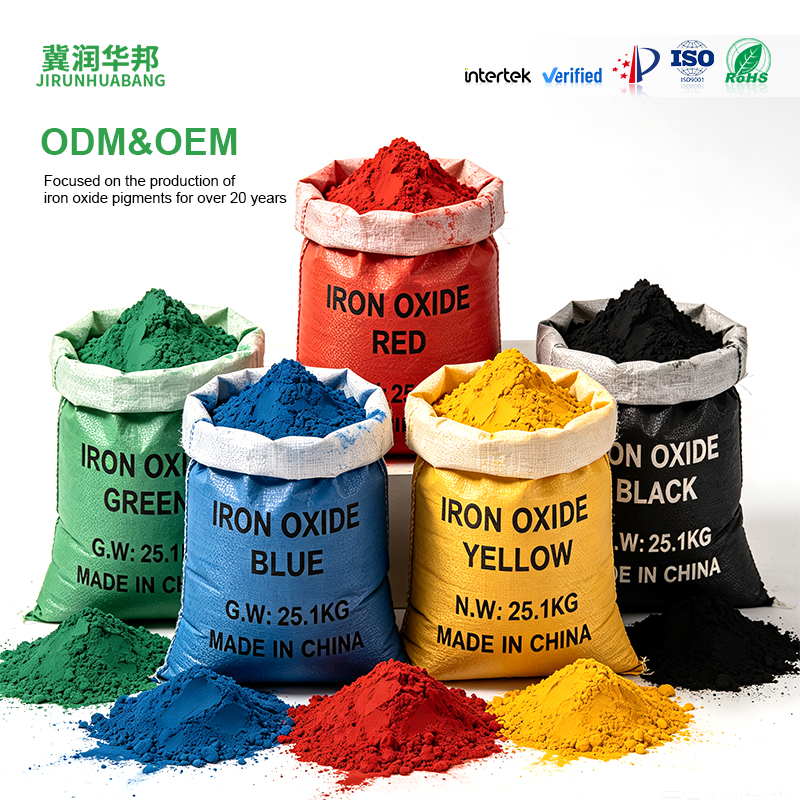
ထို့အပိုင်းအပြင် သံအိုက်ဆိုဒ် အရောင်ခြယ်မှုများသည် အသုံးပြုရန် ကျယ်ပေါ်သည့် သ совместимость နှင့် အသုံးပြုမှုအမျိုးမျိုးရှိပါသည်။ သူတို့ကို စိတ်ကြိုက်ရောင်စဉ်အမျိုးမျိုး ဖန်တီးရန် လွတ်လပ်စွာ ရောနှောအသုံးပြုနိုင်ပြီး ရာဘာထုတ်ကုန်များ၏ စိတ်ကြိုက်ဒီဇိုင်းလိုအပ်ချက်များကို ဖြည့်ဆည်းပေးနိုင်သည်။ စက်မှုလုပ်ငန်း ရာဘာအစိတ်အပိုင်းများ၊ ကားရာဘာပစ္စည်းများ၊ နေ့စဉ်သုံး ရာဘာထုတ်ကုန်များ၊ ကြမ်းခင်းရာဘာတံခါးများ၊ ရေစိုခံရာဘာပစ္စည်းများနှင့် ပြန်လည်အသုံးပြုသော ရာဘာထုတ်ကုန်များတွင် သင့်တော်ပါသည်။ နူးညံ့သော ရာဘာမှ မာကျောသော ရာဘာပစ္စည်းများအထိ တည်ငြိမ်သော ရောင်ခြယ်မှုအရည်အသွေးနှင့် ကြာရှည်ခံစွမ်းရည်ကို ထိန်းသိမ်းနိုင်ပါသည်။
အကျဉ်းချုပ်အားဖြင့် သံဓာတ်အောက်ဆိုဒ် ရောင်ခြယ်ပစ္စည်းများသည် ရာဘာလုပ်ငန်းအတွက် မရှိမဖြစ် လုပ်ငန်းဆောင်တာပစ္စည်းများ ဖြစ်ကြသည်။ ရာဘာထုတ်ကုန်များအား တစ်ညီတညာ ရောင်ခြယ်နိုင်ခြင်း၊ အပူချိန်မြင့်တွင် တည်ငြိမ်စွာ ခံနိုင်ရည်ရှိခြင်း၊ ကြာရှည်ခံ ရောင်မပျောက်သော အကျိုးသက်ရောက်မှု၊ ခံနိုင်ရည်မြင့်တက်လာခြင်းနှင့် ဖွဲ့စည်းတည်ဆောက်ပုံ တည်ငြိမ်မှုတို့ကို ပေးစွမ်းနိုင်ပါသည်။ ဘေးကင်းသော စွမ်းဆောင်ရည်၊ တည်ငြိမ်သော လုပ်ငန်းလုပ်ဆောင်မှု အလိုက်သင့်စွမ်းနှင့် ဈေးနှုန်းနှင့် စွမ်းဆောင်ရည် အချိုးကျမှုမြင့်မားမှုတို့ကြောင့် ခေတ်မီ ရာဘာထုတ်လုပ်မှုတွင် အသုံးအများဆုံး ရောင်ခြယ်ပစ္စည်းနှင့် အားဖြည့်ဖြည့်စွက်ပစ္စည်း ဖြစ်လာခဲ့ပါသည်။